
Becoming a DataCite member organization is not a single milestone; it is a journey shaped by different challenges, opportunities, and lessons learned. In the DataCite Member Stories blog series, we share the experiences of research organizations around the world as they work to connect research, improve discovery, and support open science using DataCite infrastructure.
In this post, we feature two DataCite consortia: one from Thailand, led by the National Research Council of Thailand (NRCT), and one from Ethiopia, led by Mekelle University. They share their experiences of working collectively to access DataCite’s persistent identifier (PID) infrastructure and becoming a part of the global DataCite community.
Sharing Costs and Expanding Access for Collective Benefits
DataCite is home to a diverse community of research organizations from over 75 countries. DataCite’s flexible membership pathways enable participation from organizations across different countries and regions, while supporting the needs of diverse research ecosystems. As we reflect on the Open Access Week 2026 and its theme, “The Cost of Knowledge,” we affirm our belief that equitable knowledge sharing is strengthened by collective approaches to research infrastructure. The DataCite Consortium model provides one clear example of how organizations can come together to access and benefit from shared open infrastructure in a sustainable and cost-effective way.
With a collaborative approach, consortium organizations can reduce financial barriers through collective funding, while creating opportunities for knowledge exchange and shared experiences. DataCite consortia can be established at a national or regional level, or around a specific research community, repository platform, or service provider. With more than 70 consortia globally, consortia play a key role in expanding access to DataCite’s services, driving adoption, and contributing to the sustainability of shared infrastructure.
NRCT’s DataCite Journey: From Early Institutional Member to Consortium Lead
The National Research Council of Thailand (NRCT) is Thailand’s national funding agency for research and innovation, and the steward of the country’s national research databases. NRCT became a DataCite Institutional Member in 2012, the first organization in Thailand to do so. Since then, NRCT has registered over 240,000 DOIs for datasets, research reports, theses, and journal articles, connecting Thai research outputs to the global research ecosystem and improving their discoverability, citability, and alignment with Open Science principles.
As a national research center with a mandate to strengthen the visibility of Thailand’s research and support institutions in adopting Open Research practices, NRCT faced a broader challenge as its work developed. Thai universities and research libraries needed to make their outputs citable and visible, but faced financial barriers, limited awareness of DataCite, and technical capacity gaps that made it difficult for them to adopt DataCite membership and set up the necessary infrastructure on their own.
In 2025, after almost a year of close engagement with the DataCite team to address these challenges, the consortium model emerged as a practical pathway for expanding access to DataCite in Thailand. This led to the development of a pilot phase to build momentum, engage participating institutions, and test the approach, with NRCT becoming the DataCite Consortium Lead for Thailand.
Building a DataCite Community in Thailand
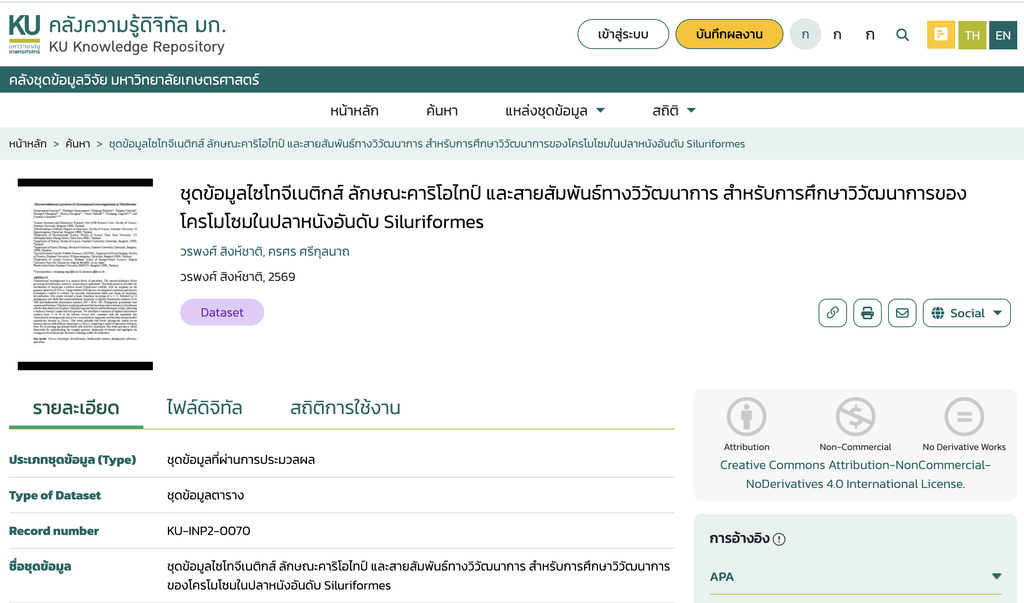
In its first phase, the consortium supports six organizations with concrete needs, enabling them to connect their repositories and publishing platforms to DataCite infrastructure and register DataCite DOIs for research outputs and resources. Examples of DataCite integrations among consortium organizations include Chula DigiVerse at Chulalongkorn University, the Knowledge Repository at Kasetsart University Library, and the Parliamentary Repository of Thailand at the National Assembly of Thailand. A key lesson from this first phase has been that a phased pilot, starting with a small group of journals and repositories, helps build confidence before a wider rollout.
Through DataCite Fabrica, NRCT, as a Consortium Lead, can smoothly onboard new consortium organizations, giving each member the opportunity to connect its systems and repositories directly with DataCite. This also enables members to manage their own DOI prefixes and retain direct control over metadata registration and updates.
Being part of the DataCite community has connected NRCT and its consortium organizations to a global network of members, providing opportunities to learn, share Thailand’s experience, and represent the Thai research community. Since becoming an Institutional Member in 2012, NRCT has participated in local and international community events, including the 2025 Annual DataCite Community Meeting, the 2026 Japan Open Science Summit, and has received direct support from the DataCite team, while also providing localized technical support and training to consortium organizations through DOI briefings and Thai-language resources.
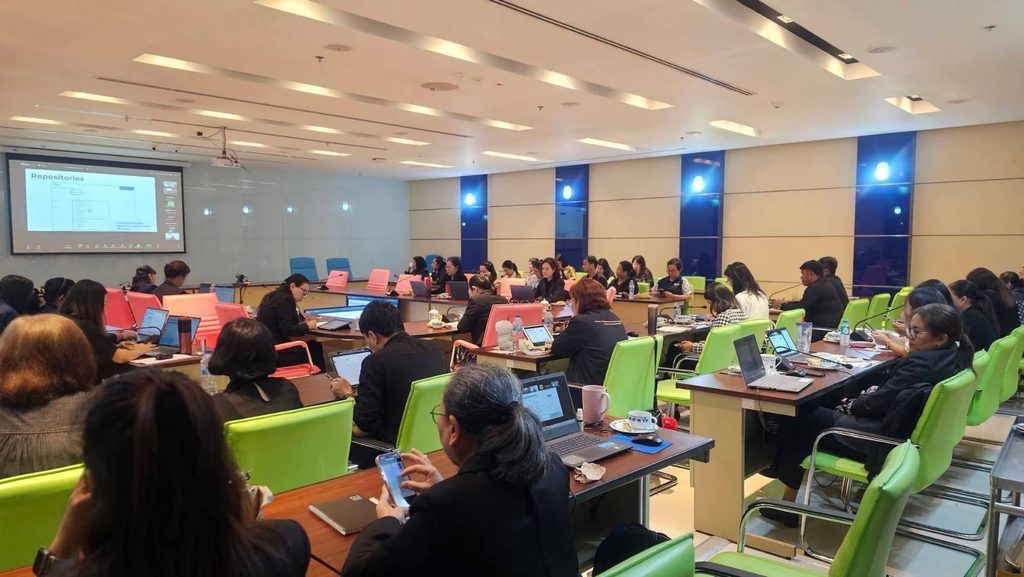
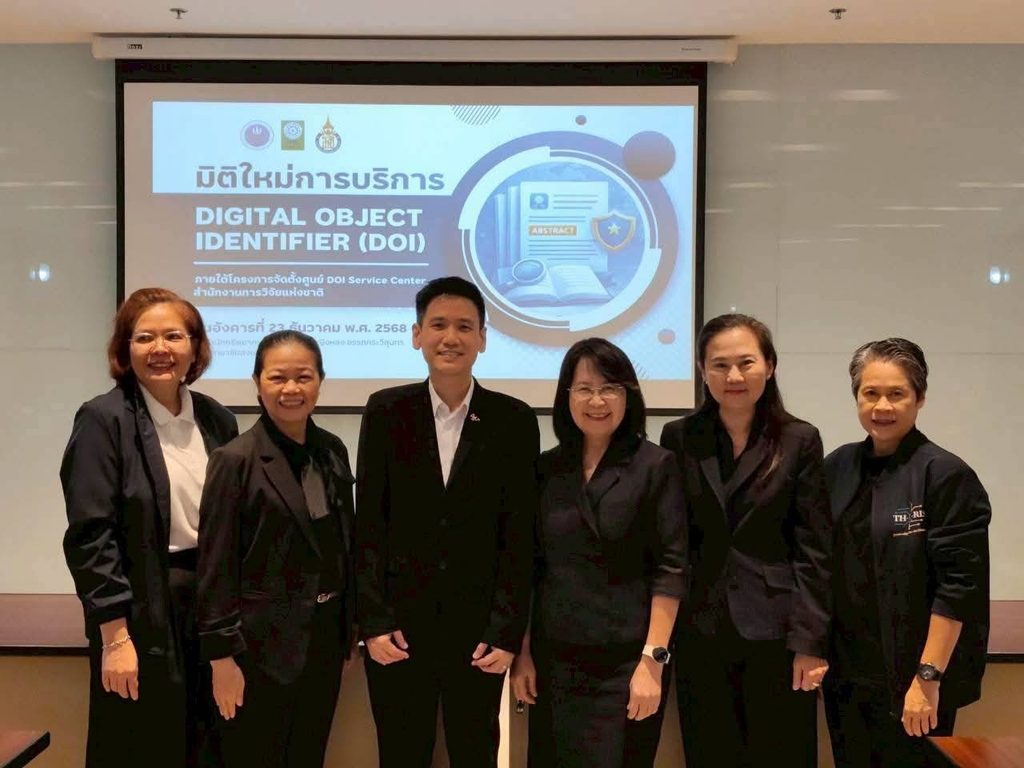
Looking ahead, NRCT plans to grow the consortium, expand its pilot repositories and journals, develop national DOI training, and move toward a cost-sharing model. Establishing a DataCite consortium has allowed NRCT to create a collaborative and cost-effective pathway for research organizations in Thailand to join the DataCite community, share their experience, and connect with peers around the globe.
Mekelle University’s DataCite Journey: From Institutional Needs to an Ethiopian DataCite Consortium
Mekelle University’s work with DataCite began with a need to improve the visibility, citability, and interoperability of its research outputs and strengthen metadata practices across its repositories and journals. These challenges also reflected broader needs across Ethiopia’s academic and research community, where financial barriers, limited infrastructure capacity, low awareness and adoption of PIDs, and technical challenges made it difficult for institutions to establish and sustain these practices independently.
The first step toward addressing these challenges came through DataCite’s Global Access Fund (GAF), which provided the foundation for collaboration. From January to December 2025, Mekelle University worked closely with the DataCite team through the GAF project to build awareness, engage Ethiopian research stakeholders, strengthen local infrastructure, and develop capacity around PIDs. Through this collaboration, the idea of establishing a national DataCite Consortium in Ethiopia emerged as an optimal pathway to extend these efforts beyond a single institution.
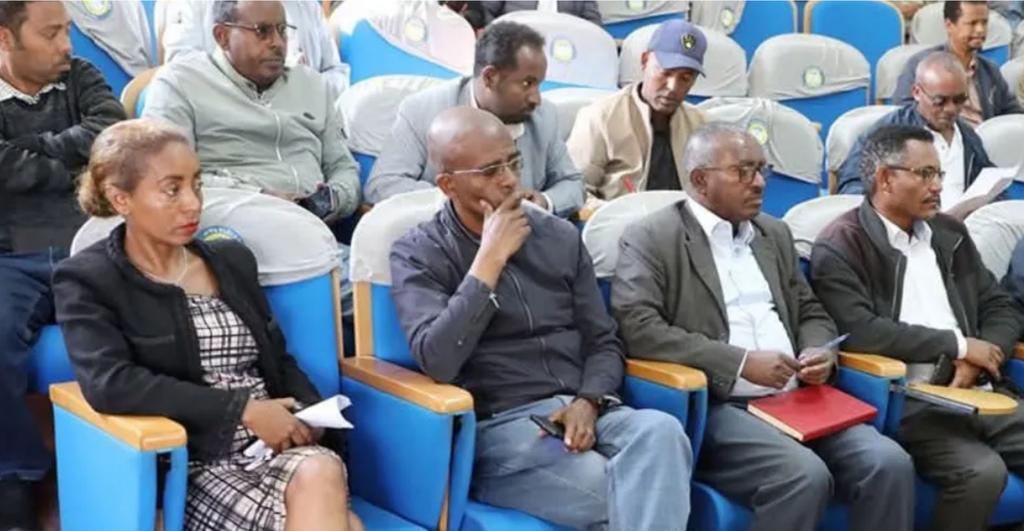
Building a Collaborative PID Infrastructure for Ethiopian Research
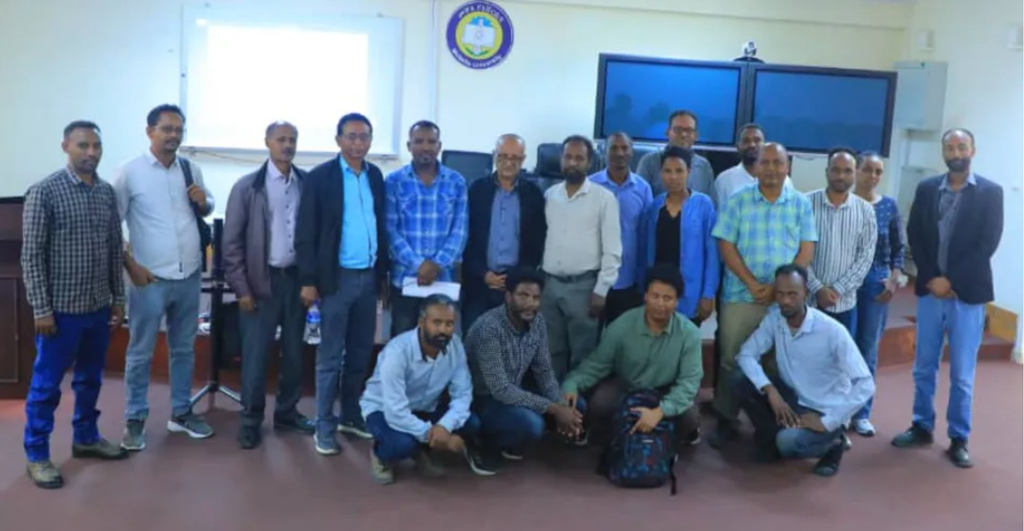
The Ethiopian DataCite Consortium was subsequently established in 2025 and has grown to bring together six member universities. Mekelle University now connects its institutional DSpace repository and MU Online Journals (MUOJ) to DataCite and regularly registers DOIs through DataCite Fabrica, file-based submission, and API integrations with DSpace 9 and OJS 3.5, while ORCID integration is being implemented across repository and journal workflows. Similarly, the Tigray Health Research Institute has connected its Tigray Regional Data Management Center (TRDMC) data repository to DataCite Fabrica and registered DOIs for datasets, supporting FAIR-aligned research practices.
Managing its own DOI prefixes gives Mekelle University direct control over metadata creation, updates, landing pages, and long-term maintenance. The consortium is also working to expand DOI coverage to datasets and other research resources and strengthen connections with other PIDs like ORCID iDs and ROR IDs, increasing visibility and impact of research outputs across repositories and journal publishing platforms.
The work has grown from a single institutional DOI implementation into a broader, collaborative PID infrastructure for Ethiopian research. The Ethiopian DataCite Consortium enables member universities to share knowledge and infrastructure experience, supported by DataCite’s technical support, community engagement, and metadata tools. Looking ahead, the consortium aims to expand membership, improve metadata quality and strengthen ORCID and ROR integration, and build a more coordinated and sustainable PID infrastructure across Ethiopia.
Toward More Equitable Research Infrastructure
DataCite’s new membership model, introduced in April 2026 following community-led consultation and approval by DataCite members, provides a more predictable and equitable cost structure and further supports the development of DataCite consortia. By sharing costs, technical knowledge, and infrastructure, rather than joining DataCite individually, Consortium Organizations can lower barriers to participation while retaining direct control over DOI registration and metadata.
Together, the experiences of Thailand and Ethiopia show how DataCite consortia can provide a sustainable and cost-effective pathway to shared PID infrastructure at the national level. In Thailand, the consortium supports localized training and resources, and helps institutions align with Open Science priorities. In Ethiopia, the consortium provides opportunities for institutions to learn from each other, strengthen local capacity, align with national research priorities, and connect with the wider DataCite community.
Every organization has a unique journey toward building more open, connected, and discoverable research ecosystems. Join a global community working to improve the visibility, impact, and reuse of research outputs. Get in touch with the DataCite team to explore the suitable path for your institution.

Mohamad Mostafa

Namtip Wipawin

Rachda Sanerkhum

Tekleweyni Geday
